

🧵 Decorating a Denim Jacket Pocket with Machine Embroidery

By diver361
- 178 views
- View diver361's images
Step-by-Step Guide When the Pocket Is Already Sewn On
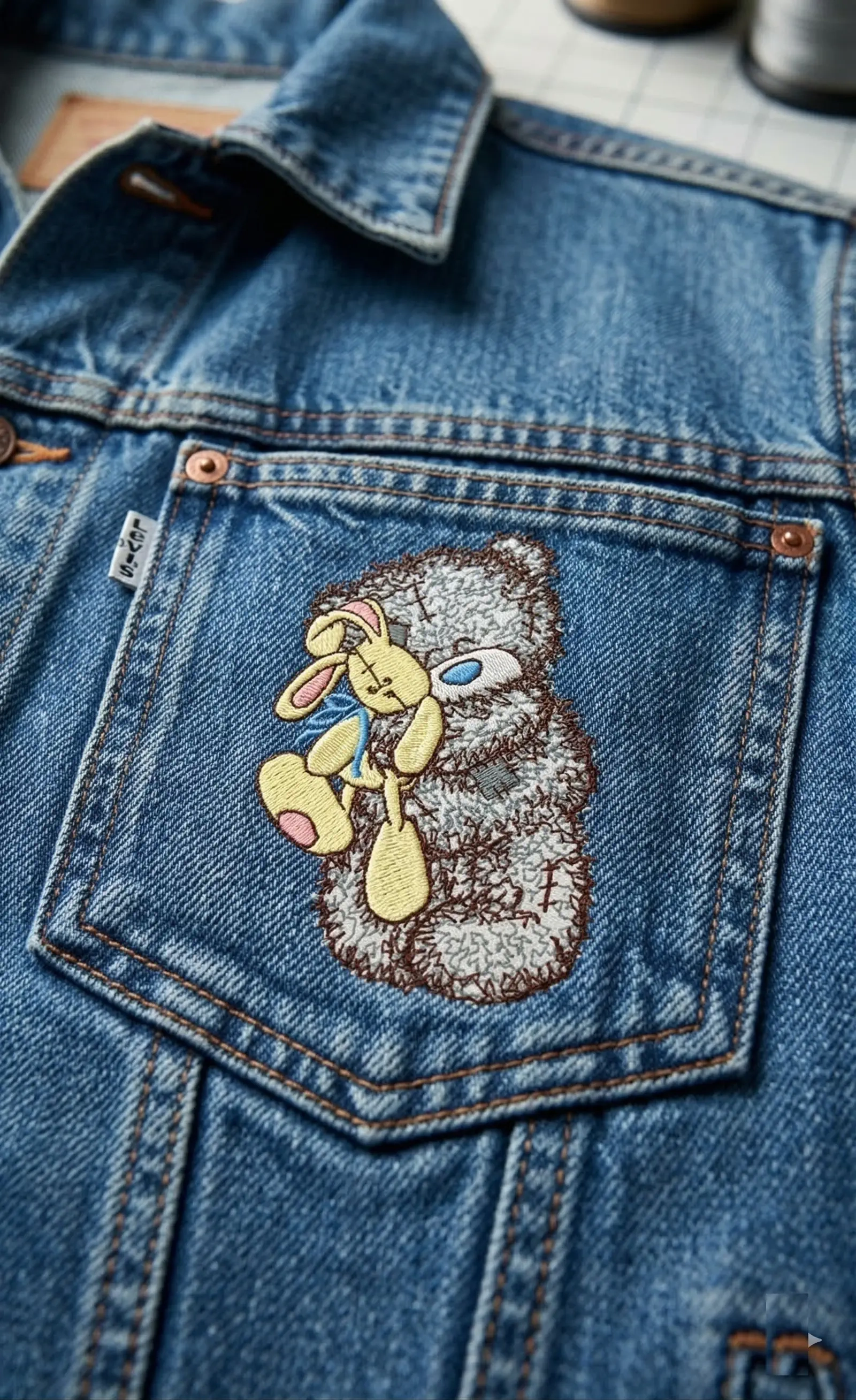
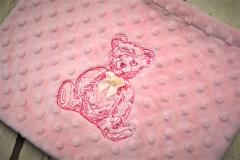
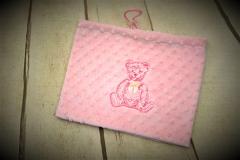
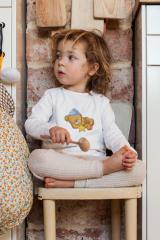
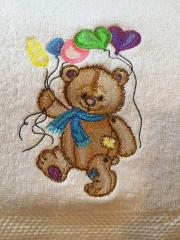
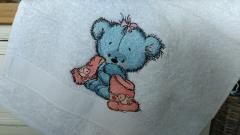
Denim jackets are one of the most popular items for embroidery. A small Teddy Bear with toy embroidery design on the chest pocket adds personality and turns a basic jacket into a stylish handmade piece.
However, embroidering after the pocket is already sewn to the jacket requires special techniques. If done incorrectly, the pocket can accidentally be stitched shut or distorted.
This guide explains the safest professional method used by experienced embroiderers to decorate a denim jacket pocket without damaging the garment.
🔎 Quick Research Summary
📊 Based on practices from commercial embroidery workshops and garment customization studios.
📌 Key challenges when embroidering on pockets:
Preventing the pocket from being sewn closed
Stabilizing thick denim fabric
Hooping small areas without distortion
Avoiding stitches that catch pocket seams
💡 The safest method is floating the pocket and inserting a protective barrier inside the pocket.
🧵 Materials You Will Need
🪡 Embroidery machine
🧵 Polyester embroidery thread
Durable and slightly glossy — ideal for denim.
📄 Cut-away stabilizer (medium weight)
Best choice for thick fabrics like denim.
🧷 Temporary spray adhesive or tape
✂️ Small embroidery scissors
📦 A thin piece of cardboard or plastic sheet
Used to protect the pocket interior.
📏 Design Preparation
Before starting embroidery, check the design size.
📌 Recommended pocket embroidery size:
Height: 4–7 cm (1.5–2.7 in)
Width: 4–6 cm
⚠️ The design must stay at least 1.5 cm away from pocket seams.
This prevents:
puckering
thick seam stitching
needle breaks
💡 Small detailed designs work best:
teddy bears
flowers
minimal line art
animals
vintage motifs
1️⃣ Step 1 — Mark the Embroidery Position
Place the jacket flat on a table.
Use washable chalk or a disappearing marker to mark the center of the design.
✔ Keep the design centered on the pocket
✔ Leave space around seams
📍 Pro tip:
The embroidery should sit slightly above the pocket center, which looks more natural visually.
2️⃣ Step 2 — Insert Pocket Protection
This is the most important step.
Open the pocket and insert a thin cardboard or plastic sheet inside.
Purpose:
✔ Prevent the machine from stitching the pocket closed
✔ Keep the pocket interior clean
✔ Protect the fabric layers
The barrier must cover the entire pocket area.
3️⃣ Step 3 — Prepare the Stabilizer
Cut a piece of cut-away stabilizer slightly larger than the hoop.
Options:
✔ hoop stabilizer only
✔ float the jacket on top
For denim jackets, floating usually works better.
4️⃣ Step 4 — Hoop the Stabilizer
Place the stabilizer in the embroidery hoop.
Make sure it is tight like a drum.
Do not hoop the jacket itself if the pocket area is small.
Instead:
➡️ Hoop only stabilizer
➡️ Place the jacket on top
This avoids stress on seams.
5️⃣ Step 5 — Secure the Jacket
Position the pocket exactly under the needle.
Use:
✔ temporary spray adhesive
or
✔ embroidery tape
Smooth the denim so there are no folds under the design area.
6️⃣ Step 6 — Test the Needle Position
Before stitching:
Use the machine's trace function.
Check that:
✔ the design stays inside the pocket area
✔ the needle does not hit pocket seams
✔ there is clearance from rivets
⚠️ Denim seams are extremely thick and can break needles.
7️⃣ Step 7 — Start Embroidery
Recommended settings:
🧵 Thread: polyester 40wt
🪡 Needle: denim needle 90/14
Reduce machine speed slightly.
Standard speed: 800–1000 spm
Recommended: 600–700 spm
Slower speed improves stitch quality on thick fabric.
8️⃣ Step 8 — Monitor the Stitching
Watch the first stitches carefully.
Check that:
✔ the pocket layer is not caught
✔ the fabric stays flat
✔ stabilizer holds firmly
If the pocket shifts, stop the machine immediately.
9️⃣ Step 9 — Finishing the Embroidery
After stitching is complete:
Remove the hoop
Carefully remove cardboard from the pocket
Trim stabilizer from the back
Leave about 5–8 mm of cut-away stabilizer behind the design.
This helps the embroidery keep its shape.
⭐ Professional Tips
🧵 Use satin stitches for borders
They stand out beautifully on denim.
🪡 Avoid very dense designs
Denim is thick — too many stitches can cause puckering.
📏 Keep designs small and balanced
Large embroidery on pockets often looks unnatural.
💡 Macro-detail designs look amazing on denim
Examples:
vintage teddy bears
botanical sketches
minimal animals
small lettering
⚠️ Common Mistakes
❌ Forgetting to insert a pocket barrier
→ Pocket gets sewn shut
❌ Placing embroidery too close to seams
→ Needle breaks
❌ Using tear-away stabilizer
→ Poor stitch quality
❌ Hooping thick denim seams
→ Fabric distortion
✨ Final Result
A properly embroidered pocket should look:
✔ clean and professional
✔ naturally integrated with the fabric
✔ slightly raised due to real thread stitches
✔ positioned neatly inside the pocket space
A small embroidery design can transform a simple denim jacket into a unique handmade fashion piece.
🧵 Bonus Idea
Pocket embroidery pairs perfectly with:
embroidered denim jackets
embroidered tote bags
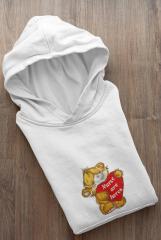
embroidered hoodies
custom streetwear
Small details like pocket embroidery often become the most eye-catching part of the garment.
Recommended Comments
Join the conversation
You can post now and register later. If you have an account, sign in now to post with your account.