

Heraldry
Heraldry free machine embroidery designs
Heraldic crests of an elements, griffin, shield, and birds make powerful decorations on shirts and cushion. Any formats for most popular embroidery machines.
9 files
-
stand with the farmers
If you're looking for a free embroidery design featuring Dutch farmers, I can help! This design is perfect for those who love traditional motifs and want to showcase their appreciation for Dutch culture. With this design, you can create a unique and charming piece of embroidery that celebrates the beauty of Dutch agriculture and countryside.
The Dutch farmers free embroidery design features a stylized image of two farmers in traditional clothing, with a windmill and a cow in the background. It's a delightful design that would look great on a variety of embroidered items, such as tea towels, aprons, and bags. This design is easy to download and use, and it's perfect for those who want to add a touch of Dutch charm to their embroidery projects. So go ahead and create something special with this beautiful embroidery design!
- 367 Craft & Embroidery Downloads
- 3 Comments
-
I don't really find the right category for this here.
- 64 Craft & Embroidery Downloads
-
- 2,034 Craft & Embroidery Downloads
- 6 Comments
-
- 1,356 Craft & Embroidery Downloads
- 3 Comments
-
Size: 9.46 x 7.37'
- 1,101 Craft & Embroidery Downloads
- 1 Comments
-
Size: 3.33 x 3.70' for small hoop
- 864 Craft & Embroidery Downloads
- 1 Comments


Newest free embroidery designs
-
- 1,391 Craft & Embroidery Downloads
- 0 Comments
-
- 2,207 Craft & Embroidery Downloads
- 0 Comments
-
- 3,447 Craft & Embroidery Downloads
- 0 Comments
-
- 2,230 Craft & Embroidery Downloads
- 0 Comments
-
- 2,293 Craft & Embroidery Downloads
- 0 Comments
-
- 1,668 Craft & Embroidery Downloads
- 2 Comments


Laser cut Free Files
-
- 37 Craft & Embroidery Downloads
- 0 Comments
-
- 34 Craft & Embroidery Downloads
- 0 Comments
-
- 51 Craft & Embroidery Downloads
- 0 Comments
-
- 41 Craft & Embroidery Downloads
- 0 Comments
-
- 134 Craft & Embroidery Downloads
- 0 Comments
-
- 126 Craft & Embroidery Downloads
- 0 Comments

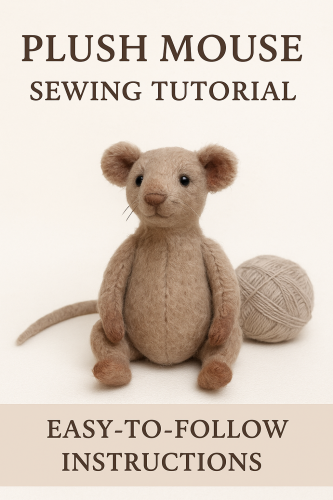
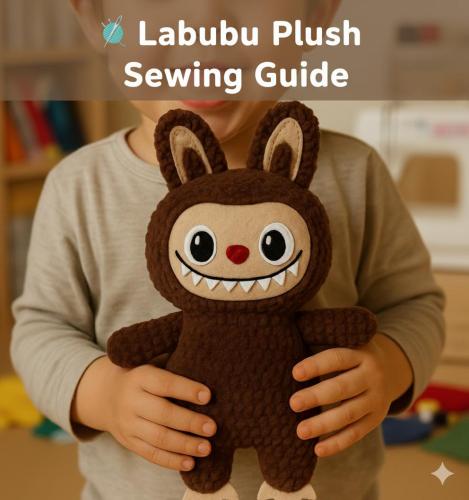
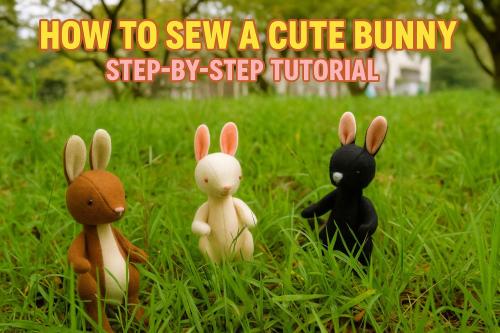
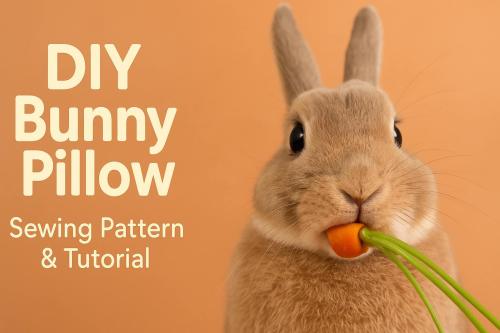
Free Plush Patterns
-
- 80 Craft & Embroidery Downloads
- 0 Comments
-
- 1,494 Craft & Embroidery Downloads
- 0 Comments
-
- 815 Craft & Embroidery Downloads
- 0 Comments
-
- 118 Craft & Embroidery Downloads
- 0 Comments
-
- 149 Craft & Embroidery Downloads
- 0 Comments
3D mandala cut files
-
- 61 Craft & Embroidery Downloads
- 0 Comments
-
- 43 Craft & Embroidery Downloads
- 0 Comments
-
- 54 Craft & Embroidery Downloads
- 0 Comments
-
- 25 Craft & Embroidery Downloads
- 0 Comments
-
- 9 Craft & Embroidery Downloads
- 0 Comments
-
- 20 Craft & Embroidery Downloads
- 0 Comments
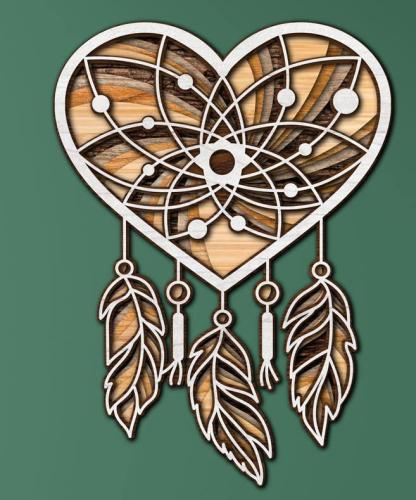
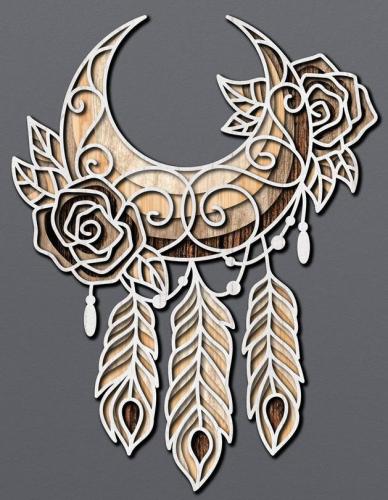
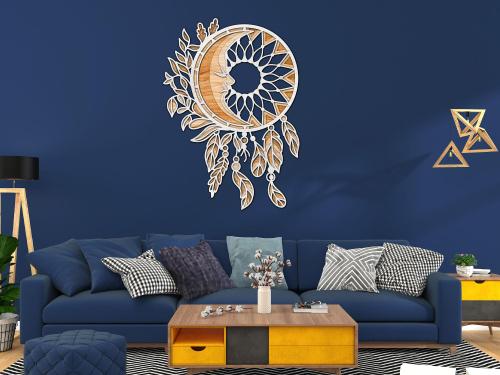

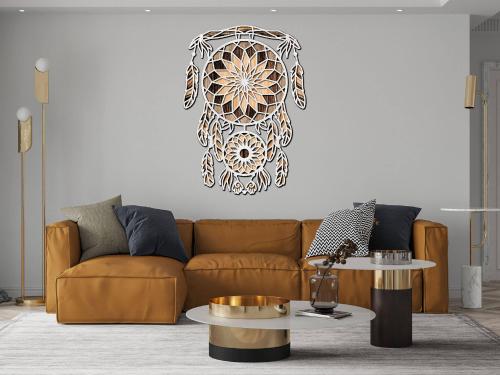
Photos with embroidered items
-
The Carrier Is Not a Tote Bag. And That Changes Everything
Pet & Craft · The Technical Edit · 2026The Carrier Is Not a Tote Bag.
And That Changes Everything.Why embroidering a pet carrier is one of the most rewarding bag projects you can take on — and one of the most technically demanding. A complete guide to methods, challenges and results.
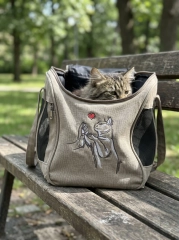
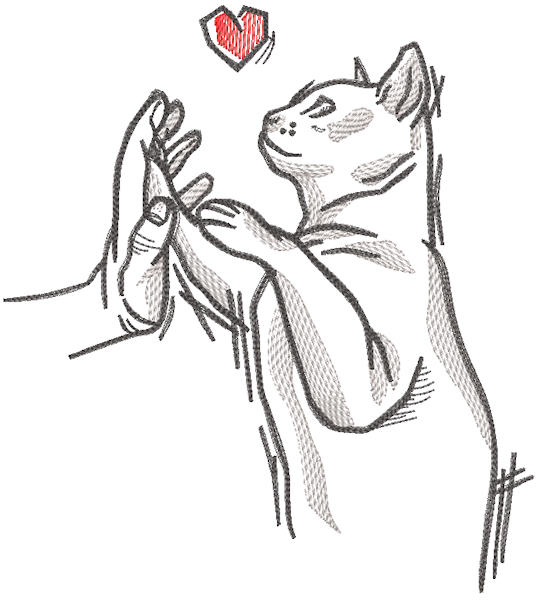
The carrier sits on the park bench. The cat sits in the carrier. And on the front panel — a small embroidered cat releasing a heart into the air, in the same relaxed sketch style as the park, the bench, the morning light. Everything matches. Everything was made to match. This is what personalisation does when it is done right.
Pet carriers are having a moment. They have moved from functional necessity to lifestyle accessory — carried on shoulders on the way to the vet, photographed on café terraces, brought into waiting rooms where other pet owners immediately ask about them. An embroidered carrier is the logical next step: the one that makes a blank canvas bag specifically, permanently, unmistakably yours and your pet's.
The challenge is that a pet carrier is also one of the most structurally complex bags you will ever attempt to embroider. It is not flat. It has mesh panels, internal structure, zips, straps, and a fabric that ranges from canvas to quilted nylon to waxed cotton. Understanding what to expect before you start is the difference between a finished carrier that looks like the photo above and one that doesn't.
✦ ✦ ✦"You are not embroidering a bag. You are embroidering the thing your pet travels in — and that changes everything about what it means to get it right.
Why a pet carrier is not like any other bag
A tote bag has two flat panels joined at the sides and bottom. You insert a hoop from the open top, float the fabric, stitch. A pet carrier has a structured internal frame, ventilation mesh on two or three sides, a zip opening at the top, shoulder straps, and a front panel that curves gently outward to accommodate the animal inside. That front panel — the one you want to embroider — is typically canvas, but it is attached to everything else and cannot be simply flattened, hooped and stitched the way flat fabric can.
The community consensus drawn from dozens of embroidery forum discussions, tutorial posts and practical guides is clear: the single most important decision when embroidering any bag — including a pet carrier — is whether to embroider before or after construction. Everything else is technique. This decision is strategy.
The flat-panel solution used by experienced embroiderers on all structured bags: buy the carrier, carefully open the front panel seam, embroider the flat fabric while it is removed from the bag, then re-sew the seam. The result is a professionally placed design on a correctly tensioned surface — and a carrier that looks exactly like the one in the photo above.
Three approaches — ranked by result quality
What the embroidery community has learned from experience
BESTEmbroider the panel before or after opening the seam
Open the front panel seam carefully with a seam ripper. Remove the panel as a flat piece of fabric. Embroider it while it is completely flat and unobstructed — hoop normally, stitch normally. Re-sew the seam. This is the method used by professional embroiderers and anyone making a carrier from scratch. It produces clean, professional results because the fabric behaves exactly as flat fabric should. The cardinal rule from experienced embroiderers: embroider on uncut fabric first, then cut the pattern piece, then sew into the final project.
Ideal forCanvas, heavy cotton and waxed cotton carriers with sewn seams · Carriers you are making from scratch · Any project where perfect registration matters
GOODFloat hooping on the assembled carrier
Hoop a piece of medium-weight tear-away or cut-away stabilizer alone — drum-tight. Apply temporary spray adhesive to the stabilizer surface. Carefully position the front panel of the assembled carrier over the hooped stabilizer, smoothing from centre outward. Clip or baste any straps and mesh panels away from the embroidery area to prevent accidental stitching. The key is to make sure the fabric is still tightly attached to the stabilizer underneath and has no possible way of shifting while the machine is moving the hoop.
This works well on canvas carriers because canvas is stable, does not stretch, and adheres predictably to spray adhesive. The main challenge is managing everything that is attached to the panel — straps, zips, handles — which must be carefully pinned or taped away from the needle path.
Ideal forReady-made canvas carriers where opening the seam is not practical · Smaller designs that fit within the accessible front panel area · Embroiderers comfortable with float hooping technique
COMPLEXPatch embroidery — embroider separately, attach afterwards
Embroider the design on a separate piece of canvas, linen or felt — flat and perfectly hooped. Cut the embroidered piece to the desired shape. Attach it to the carrier front panel by hand-sewing around the edges, using fabric glue rated for canvas, or both. The result is a visible patch aesthetic that, when done intentionally, can look designed rather than improvised.
This method is the most accessible for beginners — it requires no float hooping skill and no seam opening — but it produces a different visual result. The patch edge will be visible. Whether this is a flaw or a design feature depends entirely on how it is handled.
Ideal forNylon or synthetic carriers where direct embroidery is not practical · Beginners who want a safe first attempt · Designs where the patch aesthetic is intentional and suits the carrier style
The Technical EditFive challenges specific to pet carriers
01 Straps and handles in the needle pathThe most common disaster. Entirely preventable.
A pet carrier's shoulder straps, handle loops and zip pulls all fall naturally toward the front panel — directly into the needle path if not managed. Before the machine runs a single stitch, tape every strap, loop and zip pull to the sides or back of the carrier using masking tape or binder clips. Remove the straps and extra edges away from the center to prevent the possibility of being embroidered. Check twice. Run the hoop through its travel range by hand before stitching to confirm nothing is in range.
02 Canvas thickness and needle penetrationHeavy canvas needs a heavy needle. And a slower machine.
Pet carrier canvas is typically 10–14oz weight — heavier than most garment fabric, similar to denim or upholstery canvas. Use a size 90/14 or 100/16 sharp needle. Reduce machine speed to 70–80% maximum. Heavy canvas causes needles to deflect slightly at speed, creating stitch inconsistency in fine lettering and sketch-style designs. Slow stitching equals clean penetration equals sharp results.
03 Internal structure interferes with the hoopThe carrier's frame is inside. Your hoop needs to get underneath the panel.
Most pet carriers have a rigid base and semi-rigid frame that prevents the front panel from sitting flat for hooping. When float-hooping on an assembled carrier, the frame raises the panel at the edges, creating uneven tension. Solve this by placing the hooped stabilizer under the panel with the carrier body resting on its side — letting gravity help flatten the panel against the stabilizer rather than fighting the frame.
04 Design size versus accessible panel areaThe embroiderable area is smaller than the panel looks.
The visible front panel of a pet carrier may be 25×20cm — but the embroiderable area, once you account for seam allowances, zip proximity, mesh panel edges and strap attachment points, is often 15×12cm or less. Sketch-style designs at 10–14cm wide work perfectly. Large, dense fills that approach the edges will run into obstacles. When your design is larger than your hoop, split it into two hoopings — this method is invaluable for any project larger than your available hoop size.
05 Stabilizer choice for canvasCanvas is woven — tear-away is the correct choice. But use two layers.
Unlike knit fabrics, canvas does not stretch — which means cut-away is not required for stability. Medium-weight tear-away stabilizer removes cleanly from canvas after stitching, leaving no residue or stiffness. For heavier designs or carriers where the panel is particularly thick, use two layers of tear-away for additional mass and resistance. On the back of the embroidered area, trim tear-away close to the stitching and the finish is clean and professional.
The design that works on a carrier
The sketch-style cat shown on the carrier above is the ideal design category for this application — and the embroidery community agrees. Open fills, running stitch outlines and minimal dense areas mean the design lies flat, doesn't stiffen the canvas, and ages well through the scratching, rubbing and general handling that a pet carrier receives. A dense fully-filled design on a pet carrier will feel rigid, crinkle at the edges after use, and eventually lose thread tension at the boundaries as the canvas flexes.
Sketch / line art style — best choice for carriers. Minimal density, maximum visual impact. Lies flat. Ages well.Single-colour or two-colour designs — fewer thread changes, lower production risk on a complex assembled item.Small accent elements — a red heart, a single highlighted detail — add colour impact without adding density risk.Avoid on carriers: Dense satin fills across large areas · Very fine text under 8mm height · Designs that extend to within 2cm of any seam or mesh panel edge.Ideas for what to embroider
The portrait approachA sketch of the specific animal — the actual cat or dog who rides in this carrier. Line art of a tabby, a Persian, a corgi, a dachshund. The portrait approach makes the carrier entirely unique. The community response to these is always the same: instant recognition, immediate questions about how it was made, and that particular quality of emotion that comes when you recognise an animal in a drawing.
Name + motifThe pet's name in script with a small illustrated element — a paw print, a fish for the cat, a bone for the dog, a heart, a flower. This approach is elegant in its restraint. The name is the primary element; the motif adds warmth. Works at smaller scales (10–12cm wide) that fit comfortably within the accessible panel area of most carriers.
Generic but personal animal motifA sketch of a cat releasing a heart balloon. A dog looking up at butterflies. A rabbit in a field. These are not portraits of a specific animal — but they communicate affection so clearly that they feel personal to anyone who sees them on a carrier. This is the approach shown in the photo above: universally readable, emotionally immediate, and versatile across all cat breeds and carrier colours.
The verdict
Embroidering a pet carrier is not a beginner project — but it is not an impossible one either. The techniques required (float hooping, canvas needle selection, strap management) are all standard embroidery skills that apply across many other bag and garment projects. What makes the carrier specific is the structural complexity and the narrower margin for error: you are working on a functional object that the animal depends on, and that the owner will carry in public.
Get it right, and you have made something that genuinely does not exist anywhere else. The carrier that has the actual cat on it. The bag that was made specifically for the animal inside it. That specificity — that connection between the object and the life it belongs to — is what machine embroidery does better than any other personalisation method. And on a pet carrier, it does it in a place where people will see it, notice it, and ask about it every time.
Test on a canvas scrap first. Open the seam if you can. Float if you can't. And choose a sketch design — always a sketch design.
Design perfect for a pet carrier
Embroidered a pet carrier? Share it in the gallery!
#PetCarrierEmbroidery #CatCarrier #MachineEmbroidery #SketchEmbroidery #PetAccessories #FloatHooping #CustomPetGear -
The Gift You Cannot Buy in Any Shop
Wedding & Gifting · Home Textiles · The Craft EditThe Gift You Cannot
Buy in Any ShopWhy embroidered wedding towels are the most personal, most used and most remembered gift you can give a couple — and why no store can sell them this way
Every wedding guest faces the same impossible question. Something personal, something lasting, something that shows you understood the occasion — but also something they will actually use.
The answer, across cultures and centuries, keeps returning to textiles. Linens. Things for the home they are building together. And within textiles, embroidery — because embroidery carries something printed fabric never can: the knowledge that a person made a decision about exactly this design, exactly these colours, exactly this placement, for exactly this couple.
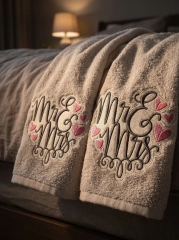
A pair of ivory terry towels with "Mr & Mrs" in flowing script — dark grey and blush pink, hearts scattered like confetti around the letters — laid out on the bed of a honeymoon room. This is not a product. This is a gesture. And gestures, when they are also beautiful and useful, become part of the story a couple tells about who was there at the beginning.
✦ ✦ ✦"The couple who keeps your gift longest is the couple who uses it every day — and smiles every morning when they do.
Why towels. Of all possible things — why towels.
Most wedding gifts have a lifespan. Kitchen gadgets sit in drawers. Candles burn in weeks. Decorative objects redecorate when tastes change. A beautifully embroidered towel has none of these problems, because a towel is never optional. It is used, every day, twice a day, for years. The gift that is used most frequently is the gift remembered most warmly.
And there is something particularly apt about towels at a wedding. Two people beginning a shared domestic life — sharing a bathroom, sharing mornings, sharing the ordinary intimacy of daily routine. Two towels, side by side, with their names on them. The symbolism is not subtle. It doesn't need to be.
A personalised embroidered towel set is the one wedding gift that requires a decision — about the design, the colours, the script, the placement — for this specific couple, on this specific occasion. No algorithm recommends it. No store stocks it in their size. It exists only because someone made it.
That is the difference between a purchase and a gift. And couples notice the difference — immediately, and for years afterwards.
The design that does all the work
"Mr & Mrs" in flowing, intertwined script is one of the oldest wedding textile motifs — and one of the most consistently requested. The appeal is not nostalgia. It is clarity. Two titles, one ampersand, a design that says exactly one thing and says it beautifully.
The script style matters more than most embroiderers initially think. A rigid, uniform font reads as graphic. A flowing, slightly irregular script reads as handwritten — as though someone wrote this specifically for them. The hearts scattered around the lettering in the design shown here are small enough to feel discovered rather than declared. They add warmth without becoming sentimental.
The colour palette — dark charcoal for the script, blush pink for the hearts, against ivory terry — is precisely calibrated for a honeymoon suite. It photographs beautifully. It coordinates with everything. And on a white or ivory towel, the contrast is sharp enough to read across a room while remaining soft enough to feel appropriate for a bathroom.
The Craft EditMaking the towels — what matters most
01 Water-soluble topping — every timeTerry pile buries embroidery. Topping prevents it.
The loops of terry towelling trap running stitches and soften the edges of satin fill — designs stitched directly onto terry without topping look muddy and indistinct. A water-soluble topping film placed over the embroidery area gives the needle a stable surface. After stitching, it rinses away completely, leaving the design sitting cleanly above the pile. On a wedding gift that will be examined closely and kept for years, this step is not optional.
02 Cut-away stabilizer beneathTowels are laundered constantly. The stabilizer must last.
A wedding gift will be washed far more often than a decorative piece. Tear-away stabilizer deteriorates with repeated laundering, eventually allowing the design to pucker and distort. Cut-away stabilizer stays permanently in place, invisible beneath the fabric, keeping the script flat and crisp through hundreds of washes. Trim to within 5mm of the design and it disappears completely from the front.
03 Towel weight and qualityThe blank is half the gift.
Use a minimum 500 g/m² terry — ideally 600–700 g/m² for a bath towel that feels genuinely luxurious. Egyptian or combed cotton holds its pile longer and launders better than standard cotton. The blank is not a neutral background — it is part of the gift the couple receives. A thin, cheap towel with beautiful embroidery is still a thin, cheap towel. A quality blank with quality embroidery is a gift.
04 Thread choice for script designsRayon for the script. Polyester for longevity.
40wt rayon thread has a natural sheen that makes script lettering glow against terry pile — it catches light the way handwritten ink on fine paper does. For a wedding gift intended to last years: use polyester rayon-look thread which combines the visual quality of rayon with the wash durability of polyester. The blush pink hearts in particular will maintain their colour through years of laundering with the right thread choice.
05 Placement — the border bandThe woven hem band is the correct placement. Always.
The hem band — the woven stripe at the bottom of the towel — is flatter, more stable, and easier to hoop than the pile surface. It is also where the eye naturally falls when a towel is folded or hanging on a rail. Place the design centred in the hem band with the top of the lettering approximately 1.5cm from the upper edge of the band. On a bath towel, this positions the design perfectly visible when the towel hangs folded. On a hand towel, it sits exactly where a hand reaches.
The gift that works for every wedding
There are weddings with registries so precisely specified that deviation feels presumptuous. There are couples who have lived together for years and already own everything they need. There are weddings in other countries, other cultures, other budget realities. An embroidered towel set navigates all of these situations — because it is personal enough to matter but practical enough to never be unwelcome, and because no registry has ever listed it. It exists outside the system entirely.
For the embroiderer selling wedding gifts, this is also the most reliable repeat product in the category. Weddings happen every weekend, every season, in every social circle. The people who receive an embroidered towel set at a wedding will, within the year, attend another wedding and think of you. The word of mouth generated by a beautiful personalised textile gift is the most effective marketing a small embroidery studio can have — and it costs nothing beyond the work itself.
A pair of quality bath towels (600 g/m², Egyptian cotton): $18–30. Thread: under $1. Machine time: 25–35 minutes per towel. Gift box and tissue: $4–6. Total production cost: $42–68. Retail value as a wedding gift: $90–140. Perceived value by the recipient: considerably higher than either number.
That gap between cost and perceived value is not exploitation — it is craft. The skill, the design decision, the setup time, the care taken with placement and topping and stabilizer and thread choice. All of that is invisible to the recipient — which is exactly how it should be. What they see is two beautiful towels with their names on them. What they feel is that someone cared enough to make something that could not be bought.
"No store can sell this. No algorithm can recommend it. No registry can list it. It exists only because someone made it — for them, on purpose, with care.
What makes a wedding gift last
Gifts that last are not gifts that survive. They are gifts that are used so frequently, so naturally, so intimately, that they become part of the texture of daily life — and carry with them, every time they are used, a small reminder of the person who gave them and the occasion they marked.
A towel used every morning is a gift remembered every morning. That is a relationship between giver and recipient that no other object category can match — not wine, not experience vouchers, not carefully chosen artwork. The towel is used before the wine is finished. The towel is still there after the experience is forgotten. The towel is still there, years later, with "Mr & Mrs" in slightly softened script and two small pink hearts that have been through two hundred washes and still mean exactly what they always meant.
This is the gift you cannot buy in any shop. This is the one you have to make.
Made embroidered wedding towels? Share your work in the gallery.
#WeddingEmbroidery #EmbroideredTowels #MrAndMrs #WeddingGift #HandmadeGift #PersonalisedGift #MachineEmbroidery #TerryEmbroidery -
The Sleeve is Not a Back Panel
Let's be honest about something the tutorials don't say: the sleeve nearly always wins the first round.
You have embroidered successfully on flat fabric. On hoops. On cushion covers and tote bags and the back panel of a jacket. Each of those went well. So you look at the sleeve — a tube of denim with seams on two sides and a curve in every direction — and you think: how different can it be?
Considerably different. The sleeve is a three-dimensional object that must be temporarily flattened, registered, stabilized and stitched with a precision that flat work never demands — and then returned to its original shape carrying an embroidery design that must look as though it was always there. This is the challenge. And it is absolutely worth solving.
✦ ✦ ✦Why anyone bothers with sleeves at all
The back panel is the obvious choice for jacket embroidery. It's large, flat, easy to hoop, and commands attention from across a room. The chest pocket is the restrained choice — precise, intimate, professional. The sleeve is something else entirely. It is the theatrical choice.
A sleeve design is never still. It appears and disappears as the arm moves. It catches light from angles that no other placement can access. It is seen by the person sitting next to you at a table, the person standing close in conversation, the camera held at arm's length — but not, significantly, by someone standing at a distance. It is an intimate detail. A secret that reveals itself by degrees.
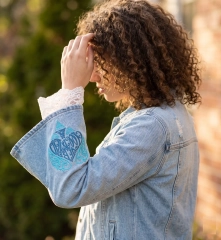
In photography — the medium through which most fashion is now consumed — a sleeve design has a structural advantage no other placement shares: it appears in every natural pose. A hand raised to hair. An arm extended. A jacket half-removed. The design is always present, always dynamic, always telling part of the story.
For sellers, this is the difference between a piece that looks good on a hanger and one that photographs. In the current market, the piece that photographs is the piece that sells.
Six problems. Six solutions. No shortcuts.
These are the technical realities of sleeve embroidery on denim, in order of the frequency with which they ruin projects.
01The sleeve is a tube — it has no flat state
You cannot hoop a cylinder. Forcing a sleeve flat to hoop it creates tension across the seams that distorts the design the moment the sleeve returns to its natural shape — which it will, the instant you take it off the machine.
SolutionUse a tubular hoop (specialty sleeve hoop that slides inside the sleeve without flattening it) — or open the sleeve seam before embroidering and re-sew it after. If neither is practical: hoop cut-away stabilizer, spray-baste the sleeve flat onto it with the seam carefully pinned away from the design area. Float, never force.
02Hooping denim directly leaves permanent marks
Heavy denim resists the hoop ring. Forcing it creates hoop burns — circular impressions in the fabric that survive washing and ironing. On light-wash or vintage denim, they are immediately visible and cannot be fixed.
SolutionAlways float on denim — hoop the stabilizer, not the garment. Apply temporary spray adhesive to the stabilizer surface, position the denim carefully, smooth from the centre out. Zero compression. Zero marks. Perfect registration.
03What centres on a flat sleeve drifts on a worn one
The eye reads a design on a cylinder, not a plane. A motif centred by measurement on a flat sleeve will appear to shift forward when the jacket is worn — because the back curve of the sleeve carries a different visual weight than the front curve.
SolutionMark placement while the jacket is worn or fitted on a dress form — never on a flat surface. The visual centre of a sleeve in wear is typically 1–2 cm forward of the geometric centre of the flat fabric. Trust what you see on the body, not what the ruler says on the table.
04Thread tension behaves differently on curved fabric
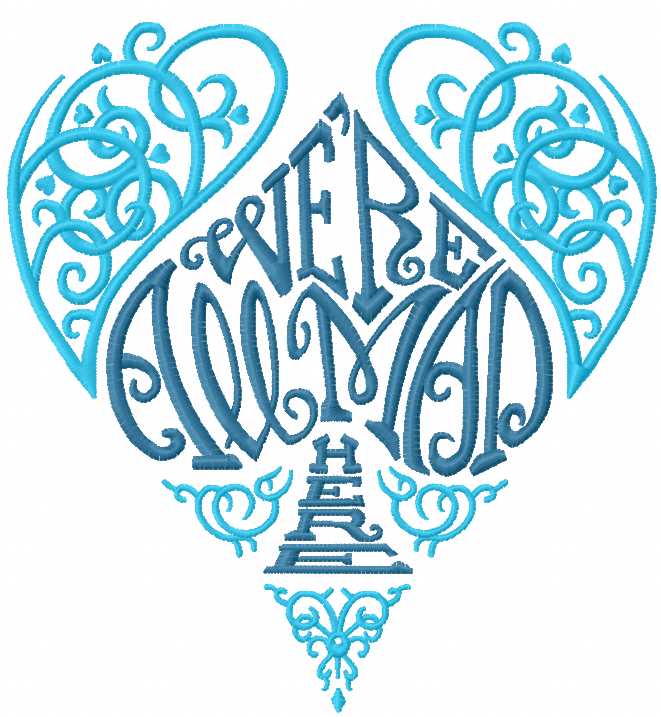
Dense satin-stitch fill areas — like the ornate lettering in a complex sleeve design — pull differently on curved fabric than on flat. The result is thread loops on the surface, or bobbin thread visible at the edges of the design, or fill areas that look tight in the centre and loose at the edges.
SolutionAlways stitch a complete test on matching denim scraps before touching the garment. Loosen top tension one step at a time until the satin fill lies flat and even. For the section of the sleeve that sits over the rounded cap, reduce speed to 70% — slower stitching gives the feed dogs more control over the fabric as it curves away from the needle.
05The seam is always somewhere you don't want it
Denim jacket sleeves have visible seams running along the outside and underside. A design that crosses a seam encounters a sudden change in fabric thickness — the seam allowance — which creates a visible ridge in the stitching and forces the needle to angle sideways, breaking thread or skipping stitches.
SolutionPlan placement to keep the design well clear of both seams — typically centred on the back face of the upper sleeve, between the shoulder seam above and the elbow below. If the design must cross a seam, use a denim needle (size 90/14 with a reinforced shaft) and reduce speed to 60% at the crossing point.
06There is no seam ripper solution for a ruined jacket
Removing dense embroidery from denim leaves needle holes that remain visible permanently. A ruined sleeve is a ruined jacket. Unlike a torn seam or a stain, a badly placed or badly stitched embroidery design on denim cannot be undone.
SolutionBuy two identical blanks. Embroider the first one completely — at full scale, with the actual design file, on the actual placement, with the actual stabilizer. Only after the test jacket stitches perfectly do you open the second one. This adds $20–40 to the project cost and removes the single largest variable. Every professional who does sleeve work on quality garments does this. Every time.
What makes a design work on a sleeve
ScaleA sleeve design should feel generous — not cramped. On an adult jacket sleeve, the sweet spot is 12–18 cm wide and 10–15 cm tall. Smaller reads as a chest pocket detail that got lost. Larger risks crossing seams and creating tension problems at the curved edges of the hoop.
DensityVery dense fills — fully packed satin stitch across the entire design — stiffen the sleeve and alter its drape. The most successful sleeve designs mix dense areas (lettering, focal elements) with open areas (scrollwork in running stitch, sketch-style fills). The contrast creates visual depth and keeps the fabric moving naturally.
Colour on light-wash denimLight-wash and mid-wash denim are the most forgiving sleeves to work on — and the most photogenic. Blues and teals read as tonal elegance. Warm terracottas and rusts create striking contrast. White and ivory feel vintage and considered. The one colour to avoid on light denim: pale grey — it disappears.
Lettering and ornate stylesOrnate lettering — the kind with scrollwork, flourishes and dimensional depth — is the single most effective sleeve design category. It photographs from every angle. It rewards close inspection. It scales beautifully to sleeve proportions. And it says something specific, which is ultimately what all the best embroidery does.
A design built for this placement
The honest summary
Sleeve embroidery on denim is not forgiving. It punishes overconfidence, rewards preparation, and does not accept shortcuts. You will spend more time on setup than on stitching. You will probably ruin a test piece. You will definitely learn something from it.
And the result — a design moving with the arm, catching light in a way that no flat piece ever can, belonging so completely to the jacket that it seems as though it arrived that way — is unlike anything else in garment embroidery. That's why people keep attempting it. That's why, once you do it well, you can't stop.
Attempted a sleeve? Share your result in the comments.
#SleeveEmbroidery #DenimJacket #GarmentEmbroidery #MachineEmbroidery #EmbroideryTips #WeReAllMadHere -
The Hoodie Deserves Better
Style & Craft · The Wardrobe Edit · 2026The Hoodie
Deserves BetterHow to turn a $20 blank from Walmart or Costco into the piece everyone asks about — with one design file and a needle
You bought it for $22 at Costco. You've washed it forty times. It goes with everything and impresses no one. Until now.
The hoodie is the most democratic garment in the modern wardrobe. It is worn by everyone, in every context, on every budget. It is comfortable to the point of invisibility — which is precisely why it is such a powerful canvas. When you embroider a hoodie, you don't just add a design. You add a point of view. A sense of humour. A statement about who you are and what you find worth saying.
And the hoodie, being humble and uncomplicated, does not resist. It simply wears what you give it — and wears it beautifully.
✦ ✦ ✦"The most interesting wardrobe is not the most expensive one. It is the one with the most personality.
Why the blank hoodie is the perfect starting point
Walmart, Costco, Target — the big-box stores sell millions of blank hoodies every year because blank hoodies are genuinely good. They are heavyweight, pre-shrunk, consistently sized, and made from cotton-polyester blends that hold embroidery extremely well. The fleece interior is soft. The construction is solid. The price is honest.
What they lack is everything that makes a garment interesting. A blank hoodie in sand or grey or black is a starting point, not a destination. The embroidery is the destination. And because the blank is already so good — structurally, technically — the embroidery has nothing to fight against. It simply sits there, on the chest, doing its work.
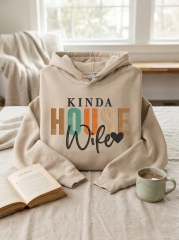
The sand hoodie you see above started exactly this way. A Costco blank. A design file. One afternoon. The result is a piece that photographs like something from an independent label's lookbook — because it is, now, exactly that.
The best blank hoodie for embroidery: sand, oatmeal or light grey. Not white — white shows every hoop mark. Not black — on black, you lose the warmth of the thread colours. Sand is the hoodie equivalent of natural linen: it makes everything look better.
The design that says everything without trying
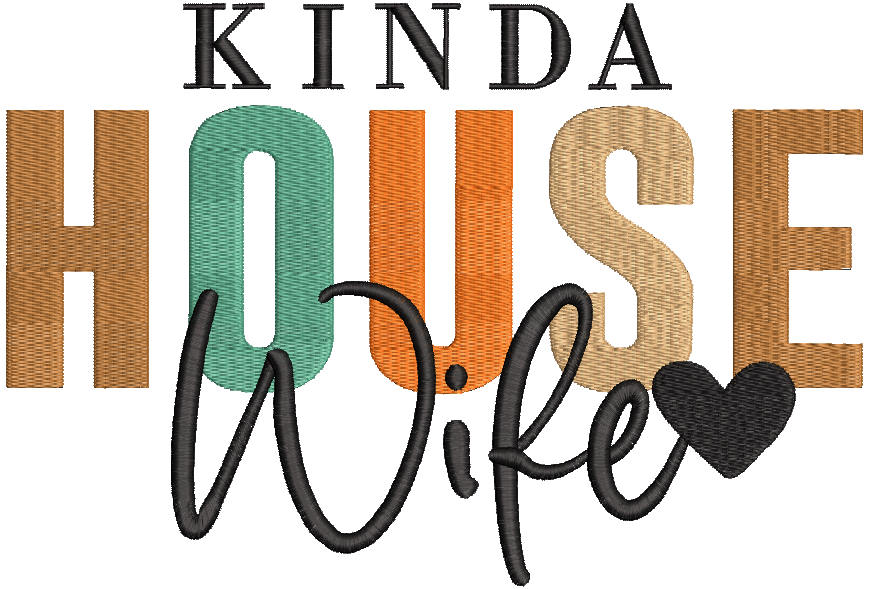
Kinda House Wife is not a slogan. It is a personality. The irony is in the "kinda" — the acknowledgement that the categories don't quite fit, that real life is more complicated and more interesting than any label. The warm earth tones of the lettering — burnt orange, teal, ochre — feel handcrafted in exactly the way that mass-produced graphic hoodies never do.
The script "Wife" with its small embroidered heart is the emotional centre of the design — personal, affectionate, and slightly self-aware. This is a piece for women who are funny about domesticity. Who have an opinion about their own lives and aren't afraid to wear it.
On a sand hoodie with a copy of Little Women and a ceramic mug of tea, it is the most perfectly styled object in the room. It is also the cheapest item on that surface, which is precisely the joke and precisely the point.
$22Blank hoodie, Costco45minMachine time$75+Retail value, embroidered1xDesign file, used foreverThe Craft EditFive things that separate a great embroidered hoodie from a ruined one
01 Stabilizer choice is everythingCut-away on all hoodies. No exceptions.
Hoodie fleece is a knit fabric. It stretches. Tear-away stabilizer tears — in use, in washing, in time — and when it does, your beautifully stitched design puckers and distorts. Cut-away stays in place for the life of the garment. It is invisible from the front. It is the difference between a hoodie that looks good for one season and one that looks good for ten years.
02 Needle matters more than you think75/11 ballpoint for knit fleece — always.
A sharp needle pierces the loops of the fleece weave, creating tiny holes that never close. A ballpoint needle slides between the loops, leaving the fabric intact and the embroidery clean. This is particularly important for the thin running-stitch elements — the script lettering and outlines — where needle drag is most visible.
03 Hoop the stabilizer, not the hoodieFloat the garment — save the fabric.
Hooping heavy fleece directly creates hoop marks — permanent impressions that remain even after washing. Instead: hoop a piece of cut-away stabilizer, spray-baste the hoodie onto it, and stitch. The hoodie lies flat, supported, without touching the hoop rings. No marks. No distortion. This is how professionals handle all knitwear.
04 Placement is the design decisionCentre chest, 3–4 inches below the collar seam.
For a large word-based design like Kinda House Wife, centre the design horizontally and position the top edge approximately 8–10 cm below the collar seam. This places the design where the eye naturally falls when looking at someone wearing the hoodie. Too high looks like a logo. Too low looks like an afterthought. The sweet spot is the chest, firmly in it.
05 Thread tension is your quality signalIf the bobbin thread shows on top — stop immediately.
Fleece's thickness means the machine pulls harder than on woven fabric. Check tension on a test piece of the same blank before stitching the garment. On multi-colour designs with saturated fill areas, slightly loosening the top tension by one step prevents the satin stitch from lying too stiff and gives the design a softer, more luxurious hand.
The pieces that sell — and the ones that don't
Not every embroidered hoodie becomes a bestseller. The ones that do share a specific quality: they say something that the wearer genuinely means. Irony that is actually ironic. Humour that is actually funny. Sentiment that is actually felt. Kinda House Wife works because it is none of the things it could be — neither earnest housewife pride nor feminist rejection — and all of them at once.
The hoodies that don't sell are the ones that wear borrowed wit — phrases that belong to someone else's personality. The market for generic motivational text embroidery is saturated and declining. The market for specific, character-driven pieces — pieces that feel like they were made for someone in particular — is growing every quarter.
A $22 Costco blank. A design that actually means something. An afternoon. The result is a garment that someone will wear until it falls apart — and then ask you to make them another one.
"The hoodie doesn't need to be expensive to be extraordinary. It needs to say the right thing — and say it in thread.
The design used in this story
The hoodie in your wardrobe is waiting. One design file. One afternoon. That's all it takes.
Works with all major embroidery machinesPES · Brother DST · Tajima JEF · Janome EXP · Melco VP3 · Viking HUS · Husqvarna XXX · SingerStyle & Craft · Embroideres Design Studio · embroideres.com -
How to Mount Embroidery Without Sewing
MasterclassHow to Mount Embroidery
Without SewingSimple, beautiful & reliable — turn your embroidery into wall decor, a key holder or a gift panel without touching a needle and thread.
Not every embroidery project needs a needle and thread to finish. Sometimes the most beautiful result comes from mounting — and the best part is, anyone can do it.
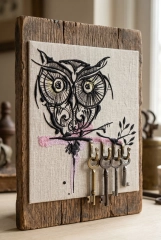
This key holder was made with a single linen panel, an oak frame, copper screws — and no sewing at all. The embroidered owl is mounted with double-sided adhesive tape, stretched smooth, secured from the back. Clean, professional, permanent.
In this masterclass you'll learn three methods for mounting embroidery without sewing — when to use each, what materials to buy, and how to avoid the most common mistakes.
Can you glue embroidery?
Yes — and it works beautifully for decorative pieces. Gluing is perfect for wall panels, key holders, photo frames and gift items. It is not recommended for wearables or anything that will be washed repeatedly.
For home decor
Wall panels, framed hoops, decorative boards — anything that hangs on a wall and stays dry.
For functional items
Key holders, organizers, pinboards, bookmarks — items that are used daily but not laundered.
For gifts
Mounted embroidery makes a far more impressive gift than a loose hoop. A linen panel on an oak board with copper screws looks like a gallery piece.
✦ ✦ ✦3 methods — from quick to professional
Method 1 — Quick & easyPVA Glue
Apply a thin, even layer of PVA glue to the base (wood or cardboard). Place the embroidery, smooth from center to edges removing air bubbles. Let dry completely — at least 24 hours. Done.
Works when:the fabric is dense (linen, cotton) · it's a decorative piece · you can't sew (wooden panel) · you need flat, secure fixationWatch out: too much glue may soak through. Not archival — may age over time.Method 2 — Clean & reliableStitchery Tape or Acid-Free Double-Sided Tape
Special double-sided tape designed for textiles. Apply to the base, place the embroidery, press firmly. Does not damage fabric, leaves no marks, does not yellow over time.
Best for:items you may want to remove later · delicate or light fabrics · pieces where staining would be visibleMethod 3 — Professional resultStretch on a Base + Secure from the Back
Stretch the embroidery over a wooden frame or board, pulling it taut and even. Secure by folding the edges to the back and stapling, pinning or lacing with thread. No glue touches the fabric at all.
Best for:archival pieces · gifts · anything you want to look gallery-quality for decadesHow to use PVA glue — step by step
1Apply a thin, even layer of glue to the base.
Use a clean brush. Cover the full surface but keep it thin — thick glue soaks through. A minimal amount applied evenly is always better than more.2Carefully place the embroidery and smooth it out.
Start from the center and work outward. Align the design before it touches the glue — repositioning is difficult once placed.3Smooth from center to edges — remove air bubbles.
Use a flat card or your palm. Bubbles under the fabric will show once dry. Take your time here.4Let it dry completely — at least 24 hours.
Do not move the piece while drying. Place a light weight on top if the fabric tends to lift at the edges. PVA dries clear.5Done — strong, beautiful and reliable.
Add hardware (hooks, screws, hanging wire) once fully dry. The mounted piece is ready to display or gift.What the pros remember
Use the right baseMDF and plywood hold PVA glue and tape extremely well. Raw wood is porous — seal it lightly with diluted PVA first. Cardboard works for lightweight decorative pieces but not for functional items.
Cut away stabilizer firstAlways trim cut-away stabilizer to within 5mm of the design before mounting. Excess stabilizer creates bulk and uneven surfaces that show under tension. Tear-away should be completely removed.
If you want it to last — go archivalPVA is great for decorative pieces with a 5–10 year lifespan. For something you want to last 20+ years — use acid-free double-sided tape or the stretch-and-lace method. These don't yellow, don't crack, and don't damage the fabric.
Ideal forKey holders, wall panels, organizers, kids' projects, gifts and handmade items. Any project where the embroidery becomes part of an object rather than a garment.
PVA is a great solution for decorative and interior pieces. If you want maximum longevity — choose archival materials or stretch the embroidery and secure it from the back.
— Create with joyDesign used in this project
Used in this project
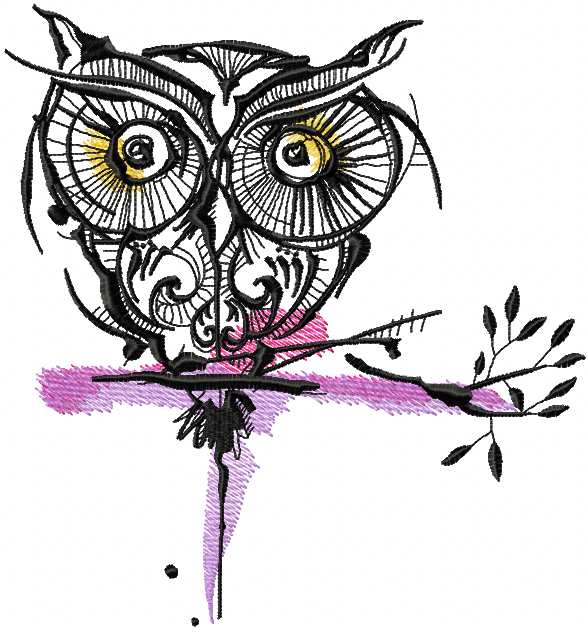 Sketch · Detailed · Home decorStrange Owl No.12
Embroidery DesignThe exact design used in this key holder masterclass. Bold sketch-style owl — perfect for linen panels, wall art and functional decor items.
PES DST JEF EXP VP3 HUS XXXGet this design →Made this project? Share it in the gallery!
#MountEmbroidery #EmbroideryDecor #KeyHolder #WallArt #PVAGlue #HandmadeGift -
Embroidery on Skirts: the style that conquers everyone
There is a category of embroidery that doesn't decorate clothing — it becomes the clothing. Skirt embroidery is exactly that. 🐈⬛
A skirt is the largest, most visible canvas on a woman's body. It moves. It catches light. It draws the eye downward — and holds it there. When embroidery lives on a skirt hem, every step becomes part of the design. Every sit, every turn reveals it differently.
This guide is about understanding why skirt embroidery works so powerfully — and exactly how to execute it without the three mistakes that ruin it.
✨ Why is this a WOW moment?
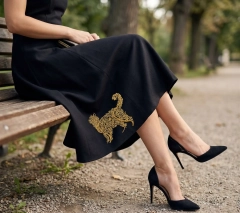
Look at the photo. The dress is completely plain — no pattern, no detail, no embellishment anywhere except one spot: the lower hem, slightly off-center. And that single element does something extraordinary.
👁It directs the eye
A single motif at the hem pulls the gaze down and holds it — the viewer's eye travels the full length of the dress to find it. The effect is elongating and dramatic.
🌟It moves with you
Skirt fabric swings. The embroidery catches light from every angle — gold thread on black is never the same twice. Walking is part of the design.
💎It replaces accessories
When the skirt is embroidered, you need nothing else. No belt, no statement necklace, no bag with hardware. The design IS the accessory.
🎭It reveals itself slowly
Sitting, standing, crossing legs — the motif appears and disappears. It creates a sense of discovery. People lean in to look. That's the magic of placement.
✦ ✦ ✦🔍 Let's look at this photo
✦ Placement decisionThe cat sits at the lower hem, slightly left of center — not centered, not at the seam. This asymmetric placement is intentional. A centered motif feels formal and static. An offset motif feels alive, like it wandered there on its own.
✦ Color strategyOne color only — warm gold on deep black. This restraint is everything. Two colors would compete. Gold alone on black is a pairing that has worked for centuries — from medieval manuscripts to haute couture. It doesn't need help.
✦ Design scaleThe cat is substantial — roughly 15–18 cm at this placement. On a full skirt this size reads perfectly from a normal conversation distance. Too small and it disappears into the fabric. Too large and it dominates. This proportion is exactly right.
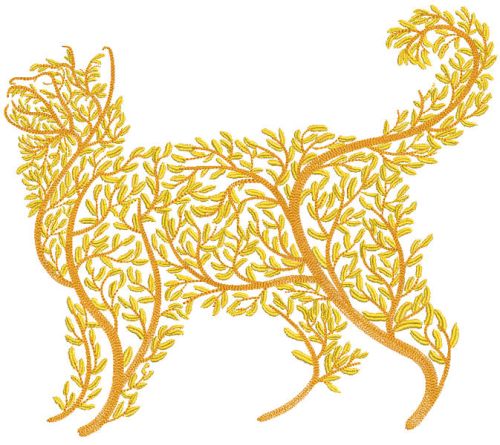
✦ Why a cat?The arched-back cat silhouette has inherent movement — it mirrors the curve of a hem, it mirrors a woman's posture, it feels animated even when still. Not every motif works on a skirt. A static, symmetrical shape would fight the garment. This one belongs.
📋 How to embroider a skirt — step by step
1Choose your fabric carefully 🧶
Wool crepe, ponte, heavy cotton, thick linen — all excellent. Avoid chiffon, georgette or any sheer fabric for your first skirt project. You need substance behind the needle.
2Plan placement before touching the hoop 📐
Put the skirt on (or stuff it with tissue paper to approximate drape). Hold a printed template of the design at the proposed location. Step back 2 metres. Look. Adjust. Mark with water-soluble pen only when certain.
3Stabilize — don't skip this 📦
Cut-away stabilizer for all skirt fabrics — non-negotiable. A skirt hem is under constant stress when worn. Tear-away crumbles with movement. Cut-away stays. For wool specifically, use medium-weight woven cut-away.
4Hoop with the floating method 🪡
Never hoop the skirt directly — the fabric is too precious and the hem structure too complex. Hoop the stabilizer, spray KK2000, and adhere the skirt panel flat to it. The design stays registered, the fabric stays undistorted.
5Stitch, trim, press 🌡️
After embroidery, trim the cut-away stabilizer close to the stitching (leave 5mm). Place a pressing cloth between iron and embroidery, press from the reverse side only. Never iron directly on gold thread — it dulls the sheen permanently.
🏆 Expert tips
💡 Gold thread — use rayon, not polyesterGold rayon has a warm, liquid sheen that catches light the way real gold does. Polyester gold looks flat and slightly synthetic under direct light. On a black garment this difference is unmistakable. Madeira Rayon 1122 or Sulky 1024 are the go-to choices.
⚠️ The hem is a construction zoneBefore hooping, check: does your design area cross any seam allowances or the hem fold itself? Even a well-pressed hem creates a ridge that shifts needle tension. Place the design above the hem fold — a minimum 2 cm clearance from the fabric edge.
✨ One motif ruleResist the urge to add more. One well-placed, well-sized motif on a skirt is haute couture. Three motifs scattered around is craft market. The restraint IS the sophistication. If you're unsure — do one, wear it for a week, then decide if you need more. You won't.
✔️ Best motifs for skirtsAnimals with movement (cats, foxes, birds in flight) · botanical silhouettes · single large flowers · abstract swirling forms. Avoid: rigid geometric shapes, text, anything perfectly symmetrical. A skirt moves — the motif should suggest movement too.
💡 Test on a panel firstBefore touching your finished garment, stitch the full design on a scrap of identical fabric and stabilizer. Wash and wear-test the scrap for a day. Only when you're satisfied with the result should you touch the real skirt. There are no second chances with a finished dress.
🧶 Which skirt fabrics work best
Show us your embroidered skirt — we'd love to see it! 🐈⬛✨
#SkirtEmbroidery #EmbroideredFashion #GoldEmbroidery #MachineEmbroidery #CatEmbroidery #WearableEmbroidery #BlackDressStyle
Who's Online (See full list)
Download Statistics
- 4,115 Files
- 8,929 Comments
- 7,865 Reviews
-